Supporting Dignity and Comfort By Means of Memory Care at The Sanctuary Senior Care
At The Sanctuary Senior Care, the approach to memory care emphasizes the importance of dignity and comfort. Each resident's unique history informs personalized care plans. This foundation fosters a nurturing atmosphere where emotional well-being is prioritized. Innovative therapeutic programs further enhance this environment. Still, one cannot ignore the importance of empathetic staff. Recognizing the interconnection of these components demonstrates the comprehensive nature of care delivery and invites deeper exploration of their influence on residents' daily experiences.
Understanding Memory Care Needs
What elements influence the distinctive memory care requirements of people? Several components determine these necessities, encompassing the form and phase of dementia, the person's emotional wellness, and their social environment. Cognitive impairment commonly causes issues in communication, decision-making, and daily activities, necessitating specialized support. Each individual has unique life experiences, preferences, and coping mechanisms that affect their memory care necessities. In addition, the presence of concurrent medical conditions can complicate care, further highlighting the need for tailored approaches. Additionally, family dynamics and past social interactions may shape an resident's comfort level in a memory care community. Recognizing these factors is vital for offering effective support and fostering a sense of dignity and belonging in memory care environments.
Individualized Care Plans for Each Resident
At The Sanctuary Senior Care, personalized care plans are designed to meet the unique needs of each resident. These customized strategies undergo regular evaluation and modification to ensure optimal support and wellness. Involving family members in the planning process fosters a collaborative environment that enhances the overall care experience.
Customized Care Methods
Personalized care techniques are vital in ensuring effective memory care at The Sanctuary Senior Care. Each resident's individual background, preferences, and cognitive abilities inform the individualized care plans designed by trained staff. These plans are meticulously developed to guarantee that activities, routines, and interactions align with individual needs, promoting a sense of comfort and dignity. By concentrating on the unique characteristics of each resident, caregivers can establish meaningful connections and elevate overall well-being. This tailored approach allows for flexibility in care delivery, accommodating changes in residents' conditions and preferences. As a result, The Sanctuary Senior Care fosters a supportive environment that values individuality while tackling the complexities of memory-related challenges.
Regular Assessments and Updates
Consistent assessments and revisions fulfill a critical purpose in sustaining the effectiveness of personalized care plans for every resident at The Sanctuary Senior Care. These evaluations verify that care strategies remain aligned with the developing needs of each individual. By conducting regular assessments, staff can identify changes in physical condition, cognitive function, and emotional well-being, enabling timely adjustments to care protocols. This proactive approach creates an environment of responsiveness, enhancing the quality of life for residents. Additionally, updates to care plans are informed by consistent observations and interactions, confirming that each resident receives tailored support. Ultimately, this commitment to routine evaluation not only optimizes care delivery but also reinforces the dignity and comfort of residents in their daily lives.
Family Participation in Planning
While crafting personalized care plans, the involvement of family members is crucial in guaranteeing that each resident's unique needs and preferences are fully recognized and respected. Family members contribute invaluable insights into the resident's history, interests, and routines, which are necessary for tailoring care effectively. Their involvement fosters a collaborative environment, permitting staff to integrate familial knowledge into daily activities and interventions. The Sanctuary Senior Care. In addition, involving families in planning strengthens emotional support, promoting a sense of belonging for residents. Regular communication between staff and families confirms that care plans remain suitable and responsive to changing needs. In the end, this partnership between families and caregivers supports the dignity and comfort of each resident, creating a holistic approach to memory care at The Sanctuary Senior Care
Cutting-Edge Clinical Services
At The Sanctuary Senior Care, innovative therapeutic programs play an essential role in enhancing the well-being of residents. These programs incorporate engaging cognitive activities and personalized sensory experiences, designed to stimulate mental engagement and emotional connection. Through concentration on personal requirements, these therapeutic approaches seek to enhance the overall life quality of memory care residents.
Compelling Intellectual Pursuits
Participating in cognitive activities fulfill an essential part in enhancing the quality of life for residents in memory care facilities, as they promote mental stimulation and emotional health. These activities can vary from brain games and puzzles to storytelling and reminiscence therapy, all developed to promote cognitive engagement. Involvement in such programs supports memory retention and promotes social interaction, allowing residents engage with their peers. By including music therapy and art projects, caregivers stimulate creativity and self-expression, which can further improve the residents' experiences. Regular engagement in cognitive activities not only aids in maintaining cognitive functions but also contributes to a sense of accomplishment and purpose, eventually supporting a more meaningful life within the memory care community.
Individualized Sense-Based Encounters
Tailored sensory experiences present innovative therapeutic programs customized to the individual needs and preferences of residents in memory care. These programs engage multiple senses—sight, sound, touch, taste, and smell—to create enriching environments that stimulate memories and emotions. Activities may include aromatherapy with familiar scents, music therapy featuring treasured songs, and tactile experiences with various materials. Such personalized approaches not only boost cognitive function but also promote emotional well-being by fostering connections with past experiences. Staff members cooperate with families to ensure that activities connect with each individual, creating a sense of belonging and comfort. Ultimately, these sensory experiences provide substantially to the overall dignity and quality of life for residents at The Sanctuary Senior Care.
Connection-Building Activities That Engage
Various activities can strengthen social interaction and emotional bonds among residents in memory care settings. Group exercises such as chair yoga or light stretching encourage physical wellness while encouraging camaraderie. Arts and crafts sessions create opportunities for self-expression and collaboration, allowing residents to share stories and experiences. Music therapy, including sing-alongs and instrument play, can bring back memories and create happy connections. Game nights featuring puzzles or board games build teamwork and stimulate cognitive engagement. Furthermore, themed events, such as cultural celebrations or seasonal festivities, encourage participation and foster a sense of community. By incorporating these engaging activities, memory care facilities can cultivate an environment of connection, encouraging both dignity and comfort among residents in their daily lives.
Creating a Protected and Comfortable Atmosphere
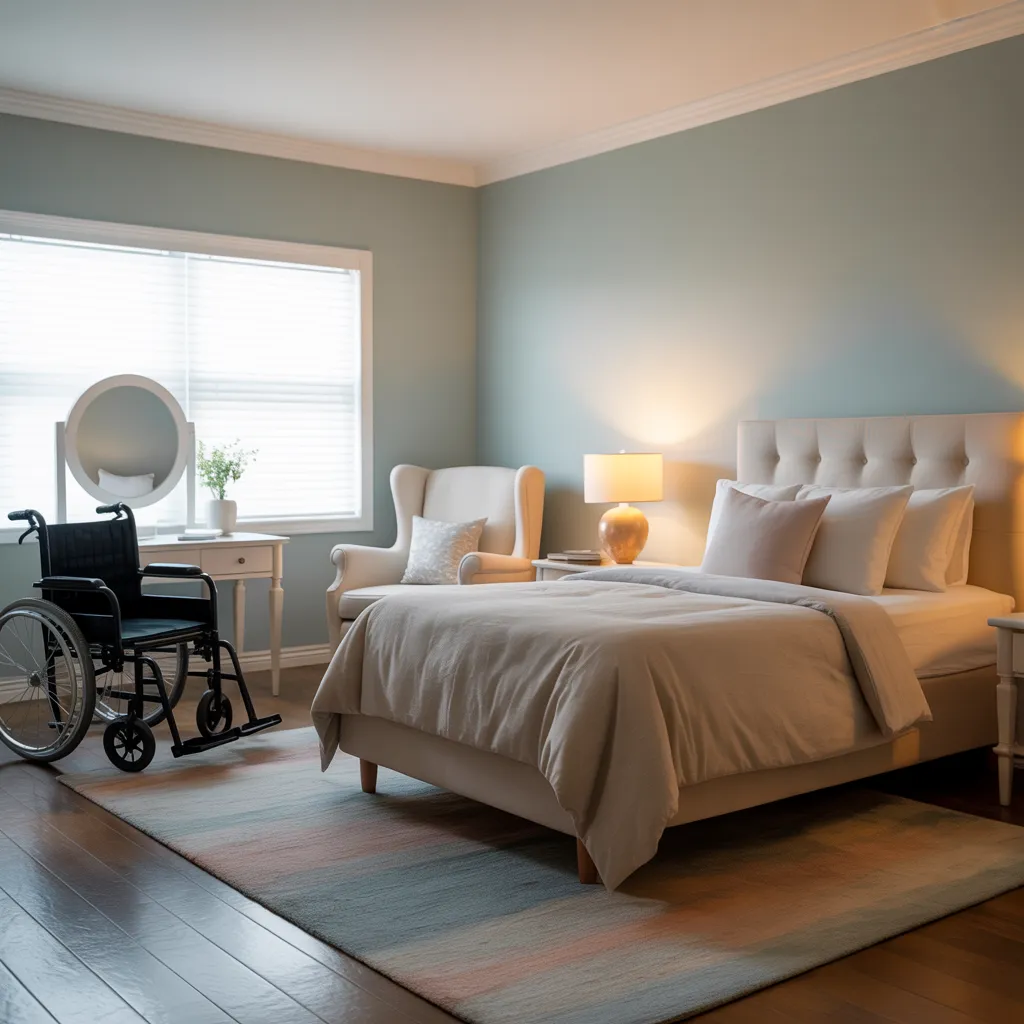
A secure and nurturing environment is essential for residents in memory care facilities, as it significantly affects their overall health and life satisfaction. The Sanctuary Senior Care prioritizes safety through carefully planned design, including wide hallways, visible wayfinding markers, and secure outdoor spaces that foster independence while limiting dangers. Cozy furniture and calming color palettes create a warm environment, encouraging calmness. The staff is prepared to identify and address the unique needs of residents, ensuring that support is always available. Moreover, sensory elements such as daylight and soothing sounds contribute to an overall sense of tranquility. By fostering a safe and comfortable environment, The Sanctuary enables residents to flourish and preserve their dignity throughout their memory care journey.
Family Participation in the Care Journey
While navigating the complexities of memory see this article care, family involvement serves a critical function in boosting the overall well-being of residents. Including family members cultivates a sense of continuity and belonging, critical for individuals experiencing memory loss (The Sanctuary Senior Care). Families supply insights into residents' preferences, histories, and routines, helping caregivers to adjust approaches that resonate with each individual. Regular communication between families and staff confirms that care plans remain aligned with the residents' evolving needs. In addition, family participation in activities and social events reinforces community bonds, developing a supportive environment. This collaborative approach not only bolsters the emotional health of residents but also empowers families, strengthening their crucial role in the care process and promoting a holistic experience for everyone involved
The Value of Caring Personnel Development
Caring staff training is crucial in memory care settings, as it directly affects the quality of life for residents. Properly trained staff members possess the skills and knowledge necessary to address the distinctive challenges faced by individuals with memory impairments. This training highlights empathy, active listening, and effective communication, cultivating a nurturing environment that elevates residents' dignity and comfort. Additionally, compassionate care builds trust between staff and residents, allowing individuals to feel protected and understood. Regular training updates confirm that staff remain informed about best practices and innovative approaches in memory care. In the end, a commitment to compassionate staff training not only raises the standard of care but also contributes to the overall well-being of those living in memory care facilities like The Sanctuary Senior Care.
Commonly Asked Questions
What Is the Cost of Memory Care Services at the Sanctuary?
Costs for memory care services at The Sanctuary varies based on personalized care needs and required service levels. Generally, fees range from $4,000 to $8,000 per month, demonstrating the quality and extensive nature of the services provided.
How Can Family Members Take Part in the Care Process?
Family members can participate in the care process by joining meetings, giving feedback on care plans, taking part in activities alongside residents, volunteering, and ensuring ongoing communication with caregivers to ensure personalized and compassionate support for their dear ones.
Are Short-Term Memory Care Stays Available?
Short-term stay options are available at many memory care facilities, allowing families to receive temporary help. The Sanctuary Senior Care. Such arrangements offer caregiver respite while guaranteeing residents obtain specialized care in a secure setting
What Staff Credentials Are Required for Caregivers?
Caregivers typically require certifications such as Certified Nursing Assistant (CNA), Basic Life Support certification (BLS), and specific training for dementia care. Regular training and compliance with state regulations additionally guarantee competency in providing quality care for individuals in memory care.
Can Residents Bring Personal Possessions to Their Living Quarters?
Residents are usually encouraged to bring their own belongings to their living spaces. These personal effects can help establish a sense of home and comfort, positively contributing to their emotional well-being and overall quality of life.